Signed in as:
filler@godaddy.com
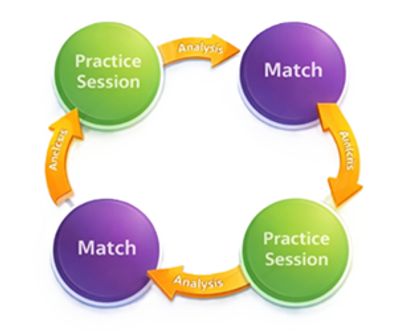
Within the Sports Performance Analysis Model (S-PAM), the outcomes of performance analysis projects are crafted to enhance coaching methodology in practical and impactful ways. Performance analysis within S-PAM is designed to be integrated seamlessly with coaching practice, emphasizing the importance of bringing analytical insights directly into coaching processes, decision-making, athlete development, and performance improvement.
The results produced through S-PAM projects may include tactical insights, technical observations, physical performance trends, psychological patterns, communication assessments, performance metrics, risk evaluations, and strategic recommendations. These outcomes furnish coaches with structured information that supports informed and contextually relevant coaching decisions.
One of the primary applications of S-PAM project outcomes in coaching methodology is the improvement of training design. Coaches can utilize these analysis findings to pinpoint strengths, weaknesses, tactical inefficiencies, and performance trends within individual athletes or teams. This data enables the crafting of precise training sessions aligned with real performance needs. For instance, if a performance analysis project reveals challenges in defensive transitions, coaches can create practice sessions focused on transition organization, positioning, communication, and decision-making under pressure. Likewise, if the analysis uncovers signs of physical fatigue during specific phases of competition, adjustments to workload management, recovery strategies, or training intensity can be made accordingly.
Additionally, S-PAM project outcomes play a vital role in tactical development and refining game models. Coaches can leverage analytical findings to assess whether tactical principles are effectively applied during competitions, facilitating alignment between coaching methodology and actual performance behaviors observed in training and matches.
An essential application is the provision of athlete feedback and development opportunities. S-PAM outcomes equip coaches with evidence-based insights to support tailored coaching and promote athlete learning. By utilizing structured feedback, video analysis, performance reports, and tactical discussions, athletes are better able to comprehend their performance and identify areas ripe for improvement.
The framework also bolsters decision-making within coaching methodology. Coaches can refer to S-PAM outcomes to make well-informed decisions on team selection, tactical adjustments, player roles, substitutions, workload management, and long-term athlete development planning.
Importantly, S-PAM underscores the need for contextual and representative coaching processes, advocating that coaching methodology should not rely solely on isolated drills or disconnected statistics. Instead, analytical outcomes should be contextualized within the genuine demands of the sporting environment, allowing coaches to design learning experiences and training activities that reflect the complexities and dynamics of competition.
Moreover, S-PAM project outcomes enhance communication and collaboration within coaching environments. Coaches, analysts, medical staff, and organizational team members can utilize structured analytical data to align objectives, coordinate interventions, and enhance collective understanding of performance needs. Examples of how S-PAM outcomes can significantly influence coaching methodology include:
- Modifying tactical structures based on match analysis
- Designing position-specific training activities
- Adjusting physical workload management
- Improving communication and leadership structures
- Developing psychological resilience strategies
- Supporting individualized athlete development plans
- Refining game models and tactical principles
- Enhancing decision-making processes during competition
In S-PAM, coaching methodology becomes increasingly informed, adaptive, and evidence-based through the integration of performance analysis outcomes. The relationship between analysis and coaching is perceived as continuous and interconnected rather than as separate processes. The ultimate goal of utilizing S-PAM project outcomes in coaching methodology is to translate analytical information into actionable coaching strategies that foster learning, athlete development, performance improvement, and long-term success within sport environments.