Signed in as:
filler@godaddy.com
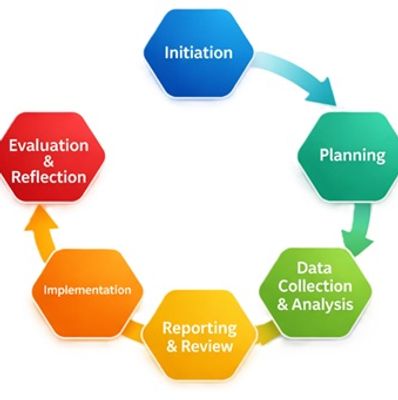
Within the Sports Performance Analysis Model (S-PAM), performance analysis is not regarded as an isolated activity or a mere collection of statistics. Rather, it is approached as a structured and organized project focused on athlete development, complete with defined objectives, processes, resources, participants, timelines, and outcomes.
In S-PAM, a performance analysis project shares fundamental characteristics and components with projects in other professional domains such as business, engineering, technology, healthcare, and education. Like any project, it demands planning, organization, communication, coordination, execution, monitoring, and evaluation to fulfill its intended goals related to coaching methodology and athlete development.
Performance analysis projects are formulated to address problems, enhance performance, support decision-making, generate insights, or optimize processes within sport environments. These projects may vary in scale and complexity, encompassing everything from a single-match analysis to long-term organizational performance initiatives.
A performance analysis project within S-PAM typically incorporates many of the core components found in traditional project management structures, such as:
- Project objectives and goals
- Participants and participant roles
- Timelines and project phases
- Data collection systems
- Communication structures
- Risk management processes
- Decision-making frameworks
- Resources and technology
- Reporting and evaluation systems
- Continuous improvement processes
For instance, a soccer team may launch a performance analysis project to refine their defensive transitions throughout a competitive season. This project may include video analysis systems, GPS tracking technology, performance analysts, coaching staff, players, and tactical evaluation criteria. Timelines, reporting structures, communication procedures, and measurable performance indicators are also defined to enhance the coaching methodology. Similarly, another project might prioritize injury prevention and workload management, involving medical staff, physical performance data, recovery-monitoring systems, athlete questionnaires, and risk-assessment frameworks.
Like projects in other fields, performance analysis projects in S-PAM also depend on various assets and supportive structures, such as:
- Databases and performance repositories
- Match and training videos
- GPS and tracking systems
- Tactical models and frameworks
- Dashboards and visualization systems
- Reporting templates
- Communication protocols
- Organizational policies and procedures
- Participant maps and role structures
- Historical performance data
These assets enhance the planning, execution, and evaluation of the project while boosting consistency, efficiency, and the quality of decision-making.
S-PAM acknowledges that performance analysis environments are dynamic and multidisciplinary. Consequently, successful performance analysis projects necessitate coordination between technical, tactical, physical, psychological, socio-emotional, and organizational dimensions. Coaches, analysts, athletes, medical staff, managers, and support personnel all play crucial roles in the project's success in various ways.
By framing performance analysis as a project, S-PAM establishes a more structured, accountable, and systematic framework for understanding and enhancing performance. This perspective transforms performance analysis from a reactive activity into a strategic process that underpins long-term development, learning, and performance optimization. Ultimately, S-PAM positions performance analysis projects as organized systems of people, processes, data, technology, and decision-making collaborating towards meaningful performance outcomes.